
Commercial Television and Short Fame
The Andy Warhol DiariesThis thread follows Warhol’s attempts to enter television and advertising while questioning how much exposure actually changes a career.
increasing Bearing strength in each event
 decreasing
Bearing strength in each eventdecreasingA Television Proposal
A Television Proposal
Pitching an idea
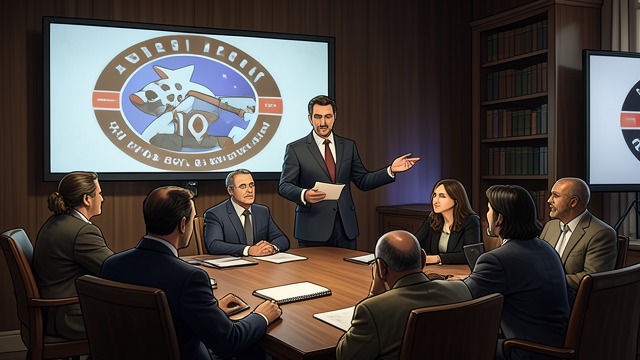
Warhol’s office explored television projects that adapted the candid, unscripted feel of Interview.
Producers sometimes showed interest but rejected proposals over budgets, audience assumptions, or uncertainty about Warhol’s appeal.
A recurring disappointment
Warhol suspected that others sometimes used meetings to take ideas without committing to a project.
Commercial Work Arrives

Commercial Work Arrives
A recognizable face
Warhol appeared in advertising and promotional work, including a Diet Coke commercial and other paid appearances.
Commercial projects offered income and visibility, while leaving him self-conscious about performing scripted lines.
Art and endorsement
The work blurred the distinction between his artistic identity and the marketable public persona.
Saturday Night Live
Saturday Night Live
A brief television role
Warhol appeared in a filmed segment for Saturday Night Live, an experience he worried would make him seem awkward on camera.
The broadcast introduced him to new audiences and prompted both amusement and anxiety about how television used his image.
Fleeting attention
He concluded that television could make someone famous briefly without changing the deeper facts of their career.
A One-Minute Image
A One-Minute Image
Repeated quotation
The phrase “famous for fifteen minutes” appeared repeatedly in television and press coverage, often altered or misremembered.
Warhol noticed the mistakes but also understood that the quotation had become part of his public identity.
Public meaning shifts
The phrase became a way to describe short-lived celebrity, even when people misquoted what he had actually said.
A Personal Television Series
A Personal Television Series
Building a new format
Warhol and Vincent Fremont developed a video show based on interviews and people speaking directly to the camera.
The project relied on Warhol’s social network and interest in recording unscripted conversation.
Exposure and uncertainty
The series offered a route into cable television but left Warhol concerned about production, audience size, and whether viewers would understand it.
Late 1970s
1980–1983
1981
1980s
1980–1983
